
United Film Solutions / Spartanburg, SC and the Southeast
Residential and commercial window film.
Specified right. Installed right. Reduce heat and glare, protect interiors, and improve privacy in your home or business. We evaluate the glass and the exposure, explain the options, and install around the people using the space.
A consultation, not a sales call. If film is not the right fit for the space, that gets said out loud.
- Project scope
- Homes to commercial buildings
- Before any product is named
- Written specification
- On site service area
- Southeast wide
What clients say
Reviews from buildings across the Upstate.
On site work across the Southeast
Consultation, not a sales call
Coordinated the way a contractor expects
Specified before anything is named
The problem
Better glass performance. At home and at work.
Afternoon sun turns a living room, lobby, or west-facing office into the room nobody wants to sit in. Glare lands on televisions and the screens where work happens. Cooling runs longer than the load should require, and the finishes and flooring fade a little more every season.
Ground floor glass carries a second problem: what can be seen, and what can be broken. Blinds close the space off and give up the daylight the space was designed around.
And when film was already tried once and specified wrong, the result reads too dark, misses the actual problem, and now the rework is a line item too. Window film is a performance upgrade for the space, and it only performs when it is chosen for the glass it goes on.
Homes and businesses
The right approach for your space.
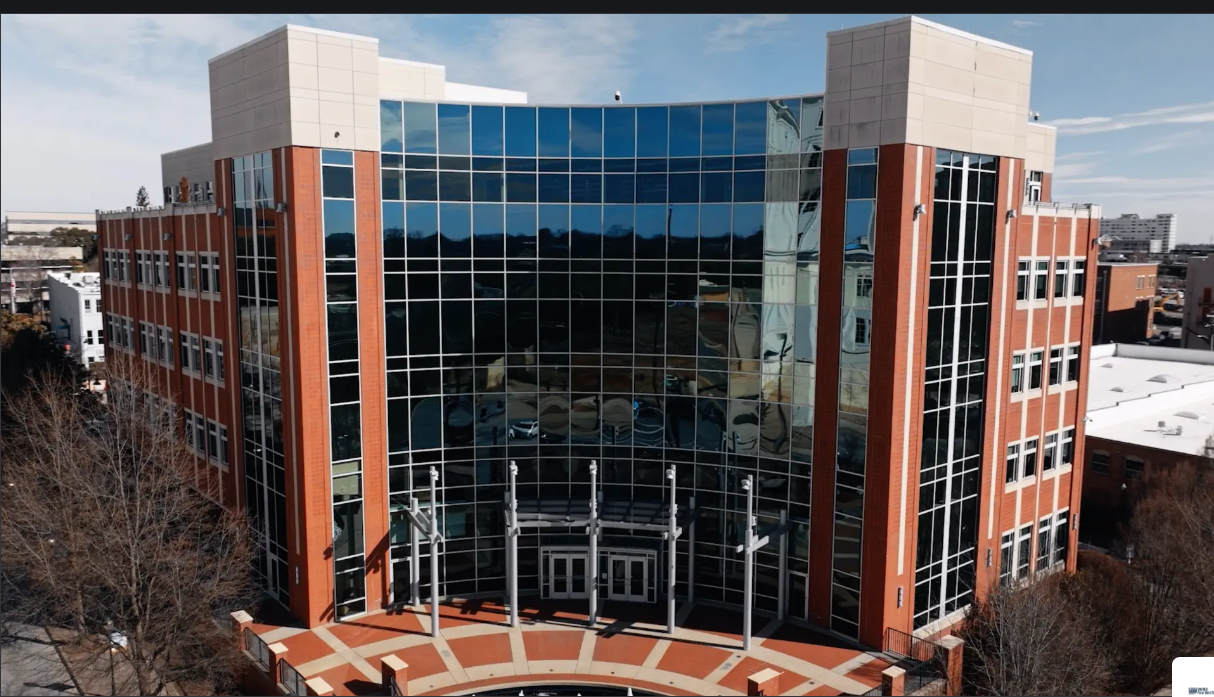
Commercial window film
Manage heat, glare, privacy, and glass protection in offices, storefronts, and occupied buildings. Written specifications and installation coordinated around your business.
Explore commercial film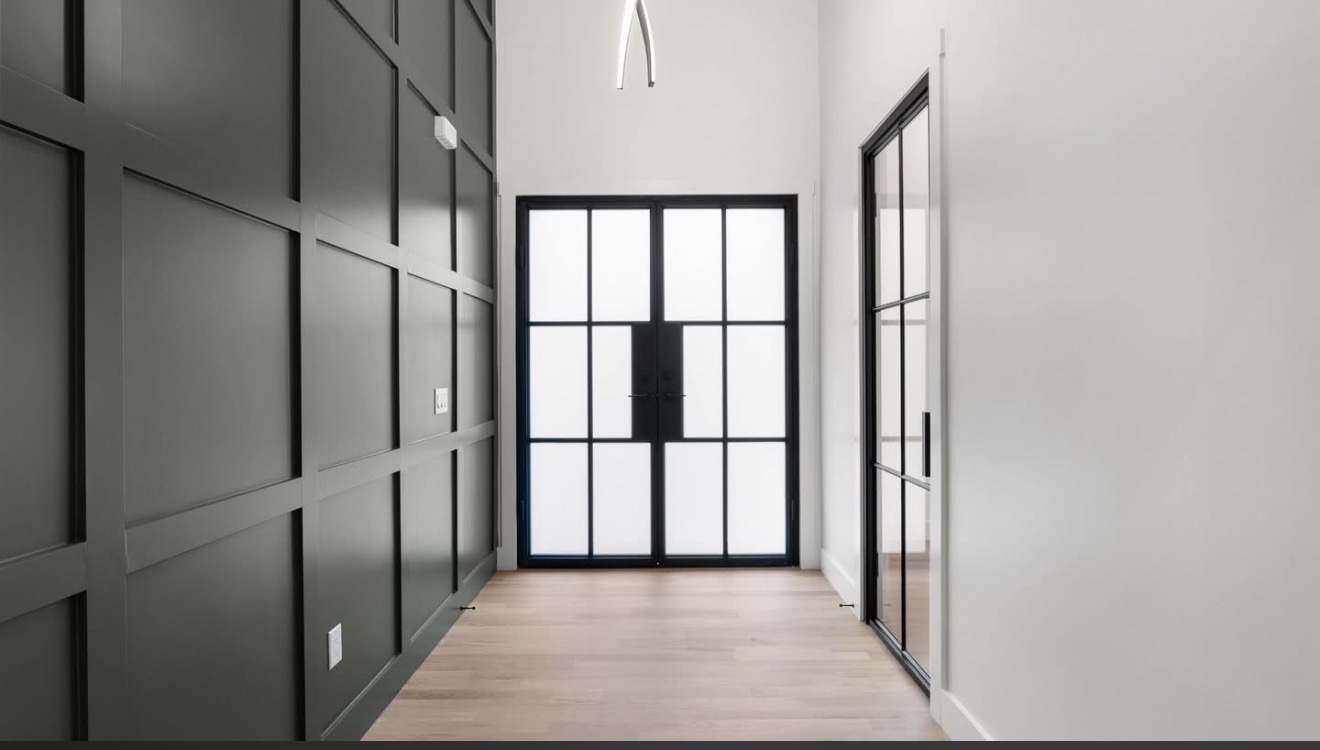
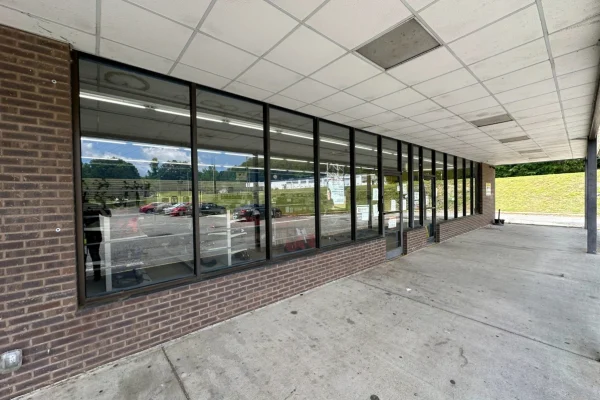
Residential window film
Reduce hot spots and glare, help protect furnishings from UV-related fading, and bring privacy to the rooms that need it. Careful installation with respect for your home.
Explore residential filmServices
Window film for homes and businesses.
Every project starts with the glass, the exposure, and what the space is used for. The category follows from that, never the other way around.
Solar control film
For heat, glare, and cooling load.
Evaluated on solar heat gain, infrared rejection, and total solar energy rejection so the glass stops pushing the thermostat and screens stay readable through the afternoon.
- Rejects the infrared energy driving afternoon heat
- Cuts glare on screens without darkening the room
- Reduces the cooling load on west and south exposure
- Helps slow fading of furnishings, flooring, and merchandise
Typical applications
Living rooms, home offices, lobbies, showrooms, curtain wall
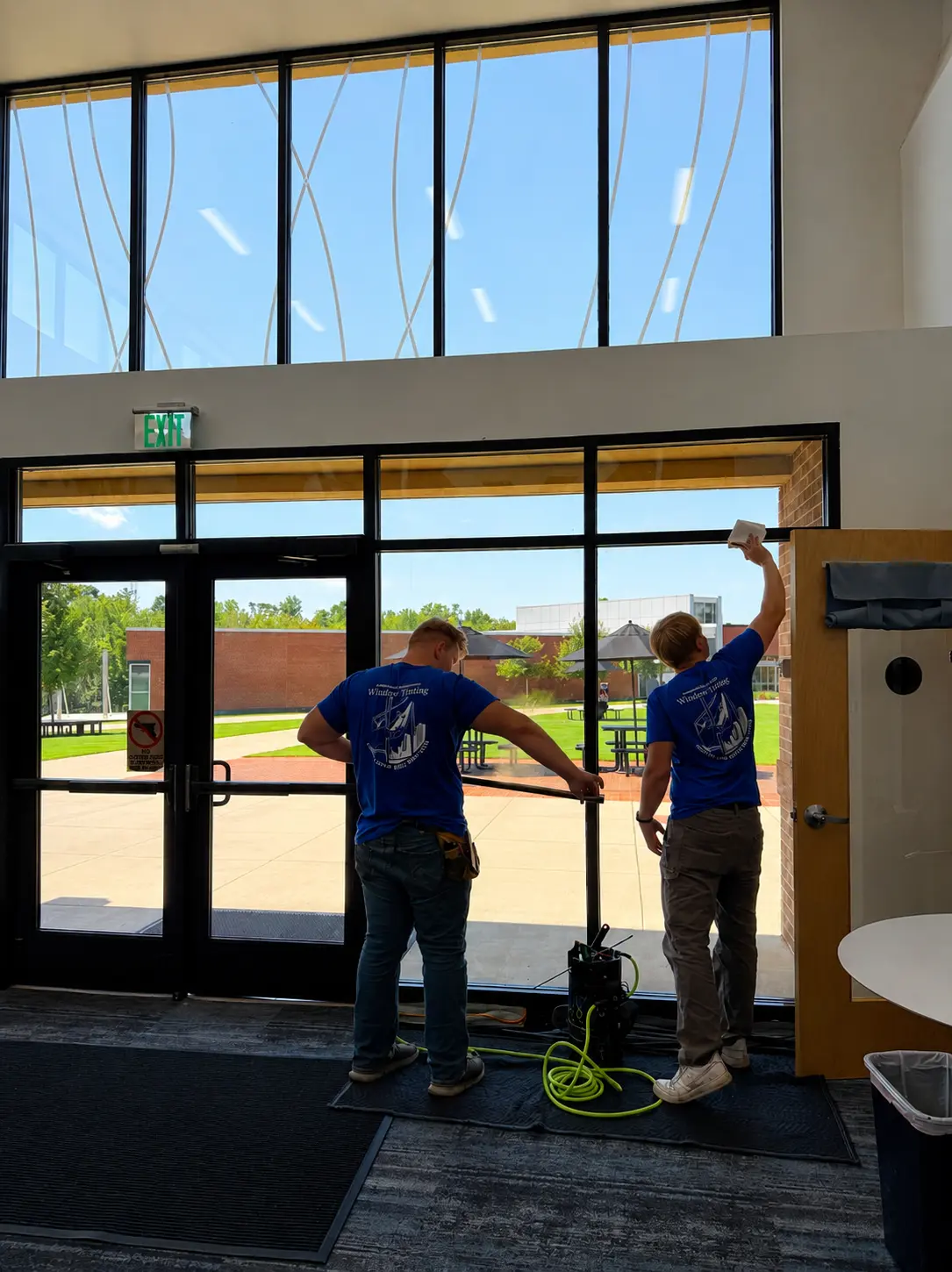
Security film
For glass retention and forced entry delay.
Holds the pane together when it breaks and adds time at the point of entry. Specified around the frame, the glass type, and how the opening is actually attacked.
- Keeps broken glass in the frame instead of on the floor
- Adds delay at the point of forced entry
- Reduces flying glass hazard from impact and storms
- Specified with the frame and attachment, not just the pane
Typical applications
Entry doors, ground-floor windows, storefronts, schools, dealerships
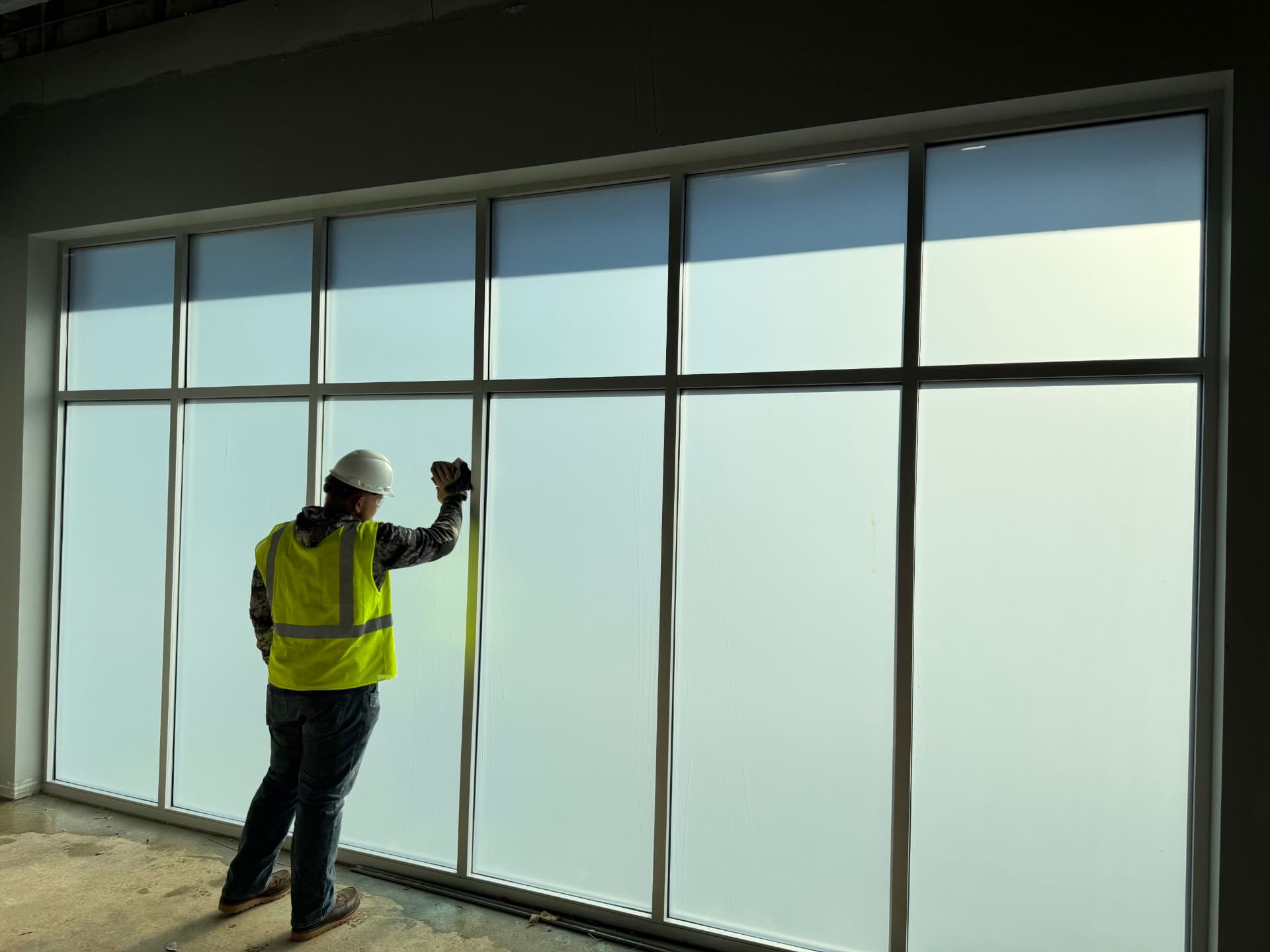
Decorative and privacy film
For separation, screening, and finish.
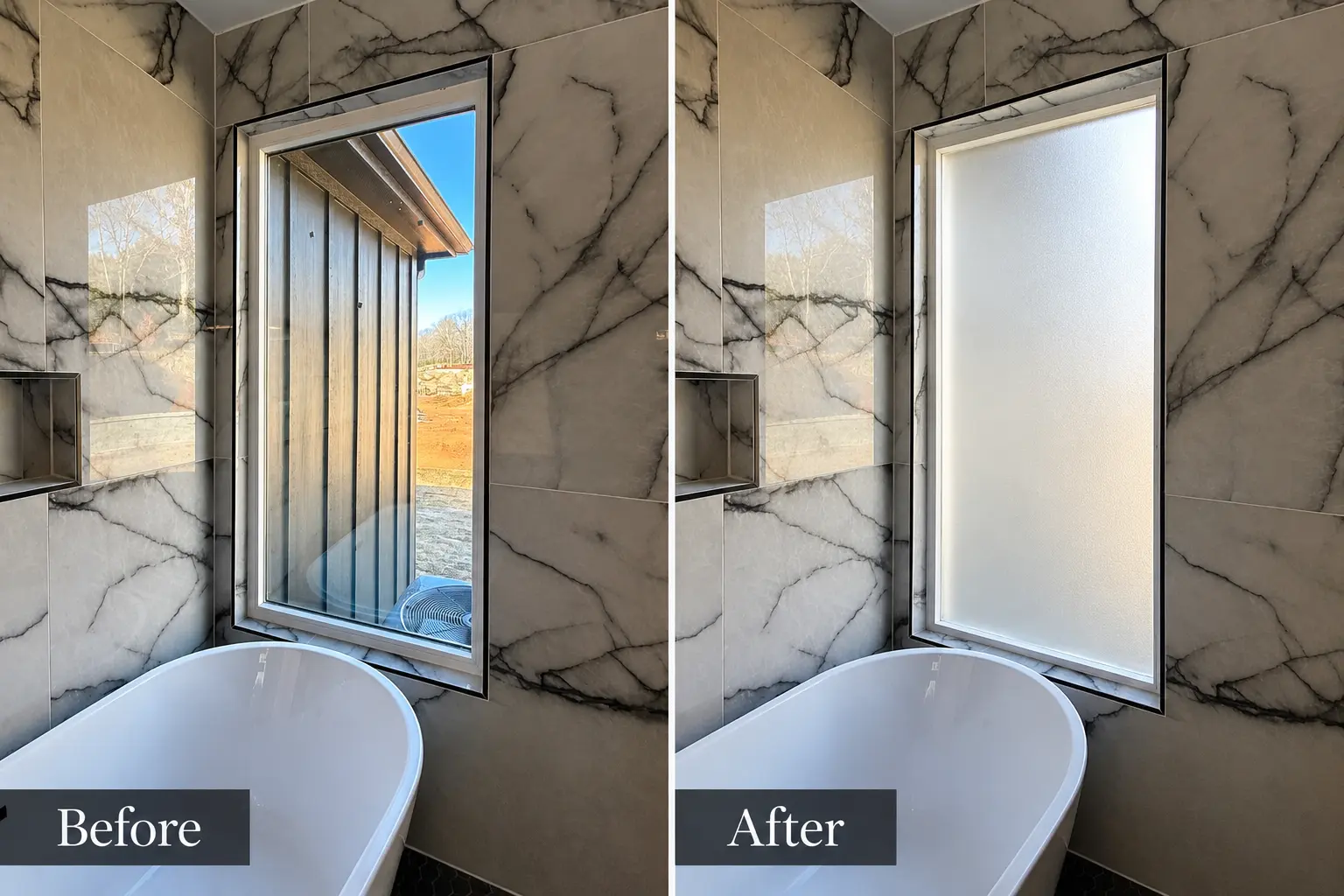
Frost, gradient, and pattern that divide a space or screen a sightline while daylight keeps doing its job. A finish decision made with the same rigor as a performance one.
- Screens a sightline without closing off the daylight
- Divides open plan space without new construction
- Frost, gradient, and pattern options to match the interior
- A cost effective alternative to obscured or etched glass
Typical applications
Bathrooms, entryways, conference rooms, interior partitions
Every project is assessed by the glass, exposure, and goals for the space. Your consultation brings the right options into focus before installation.
Request a consultationHow it works
Four steps, and a walkthrough before we leave.
- 01
Consultation and site walk
Goals reviewed, the space evaluated, exposure and glass type noted. Samples on site where they help the decision.
- 02
Specification in writing
Performance targets and the recommended film, with a plain language takeaway next to every number.
- 03
Installation around your day
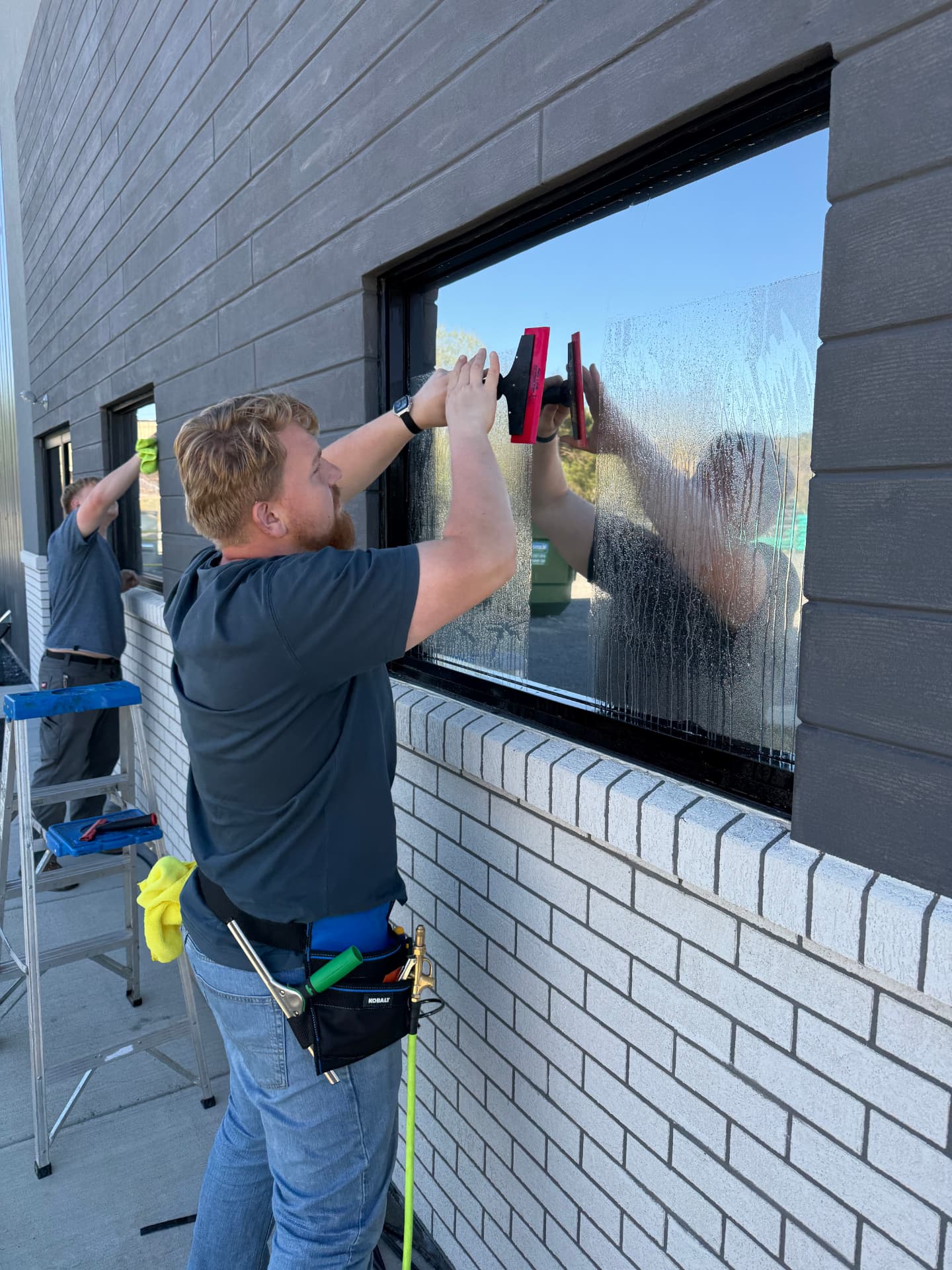
Site access, tenant flow, and protection handled. The work happens cleanly around the people living or working in the space.
- 04
Walkthrough and quality check
Every pane reviewed together before we leave, so the result is signed off, not assumed.
Why United Film Solutions
We think like a contractor, not just an installer.
A lot of installs focus on speed. We focus on getting it right the first time.
Science based specification
Solar heat gain, infrared rejection, visible light transmission, and total solar energy rejection get evaluated before any product is named. The recommendation is explained clearly, whether you own a home or manage a property.
A contractor's mindset on site
Schedules, site access, tenant flow, and coordination handled the way a general contractor expects, with protection for furnishings and a final walkthrough on every project. Fewer surprises, and careful work.
A no when a no is the right answer
Goals reviewed, space evaluated, options explained. If film is not the right fit for the space, that gets said out loud instead of sold around.
Specified for the Southeast
Strong sun, a long warm season, humidity, and shifting daylight across the year get factored into the spec for homes and buildings with large glass or direct exposure. Comfort through the seasons, not just on install day.
From a completed project
A lobby that ran hot every afternoon, without going dark.
We have a lot of windows and it got very hot and uncomfortable. Customers were suffering a little bit, so we decided we better get to a better solution.
The sun changed throughout the day and got very hot. We used blinds, but we wanted to make it look a little bit more sleek.
Immediately noticed it's cooler.
General manager of a Meineke service center, on a customer lobby with heat and glare on shifting exposure. On site samples first, installation worked cleanly around active foot traffic, and the space kept its open, professional look. Comfort and cooling cost improvements are described in the interview by the client.
A correction worth making
Darker film is not better film.
Most people assume the fix for a hot room is a darker shade. Watch what actually happens: the space loses its daylight, the home feels closed off or the storefront reads closed, and the heat still comes through, because darkness and heat rejection are not the same measurement.
Heat is rejected by how the film handles solar and infrared energy, which a light film can do very well. So the spec starts with the performance target and the glass, and the appearance follows from there.
The result is a home or workplace that stays comfortable and still feels open. Not the cheapest option. Not the loudest option. The professional one.
Recent work
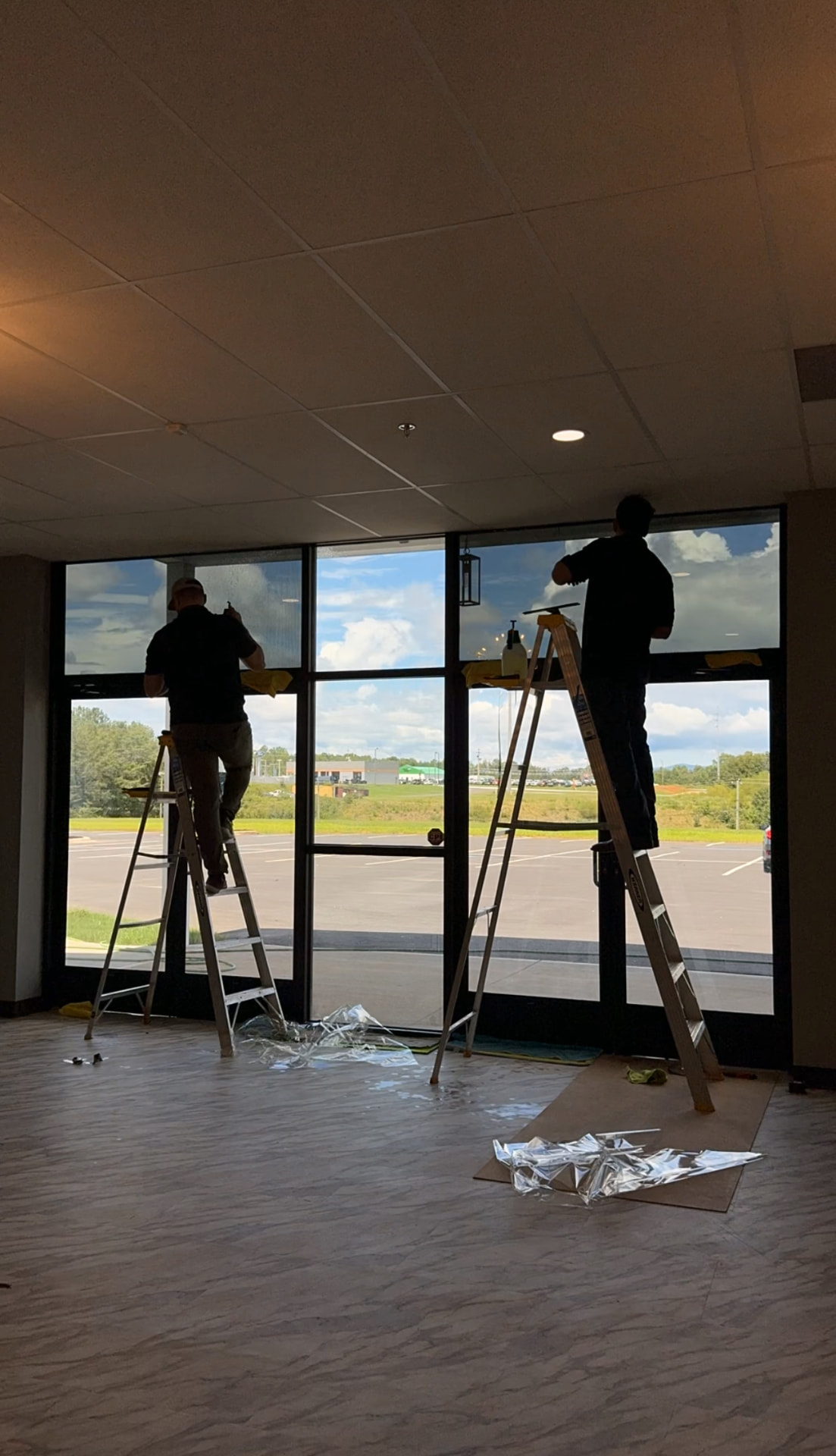
Careful installation. At home and at work.
Start here
Request your window film consultation.
Tell us about your home or business and the problem the glass is causing. We review the space, explain the options in plain language, and put the recommendation in writing. No pressure, and no product pushed before the space is understood.